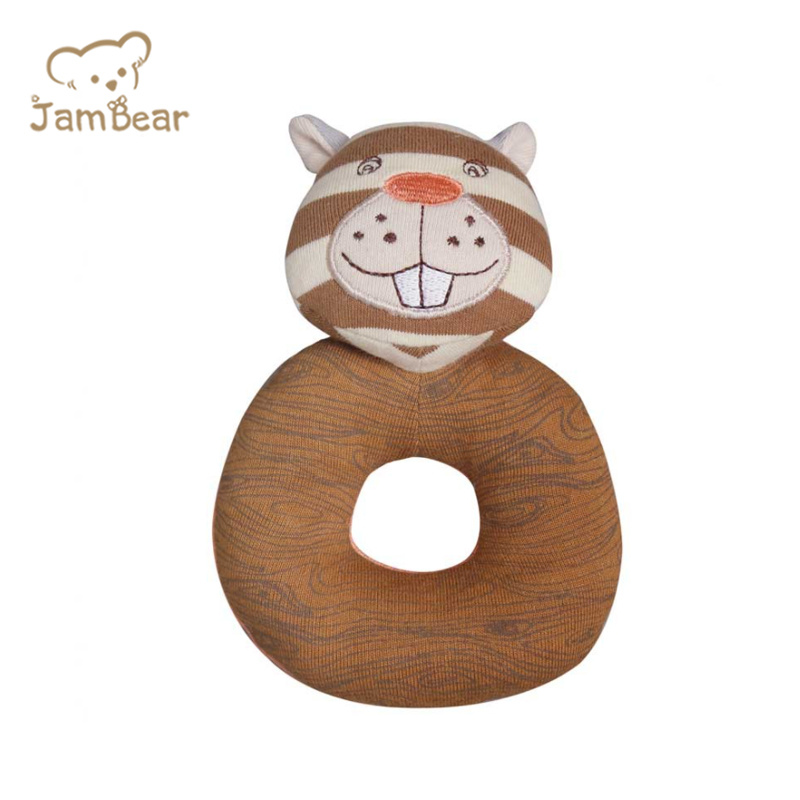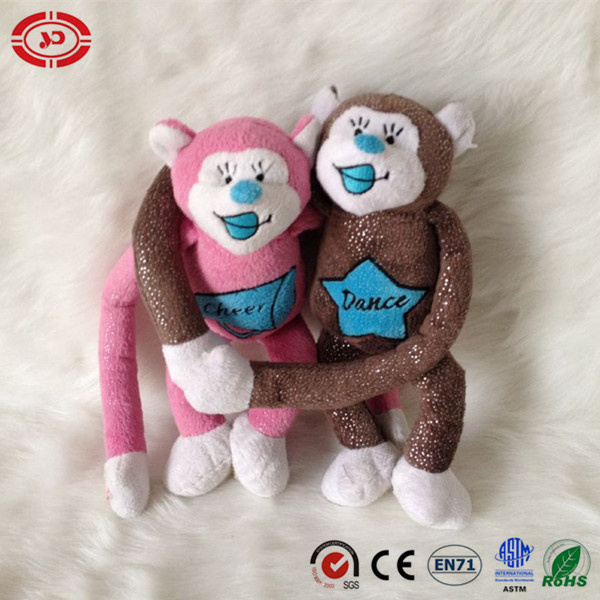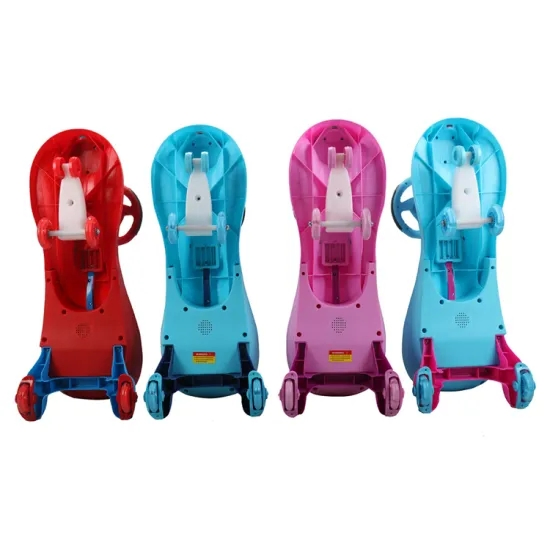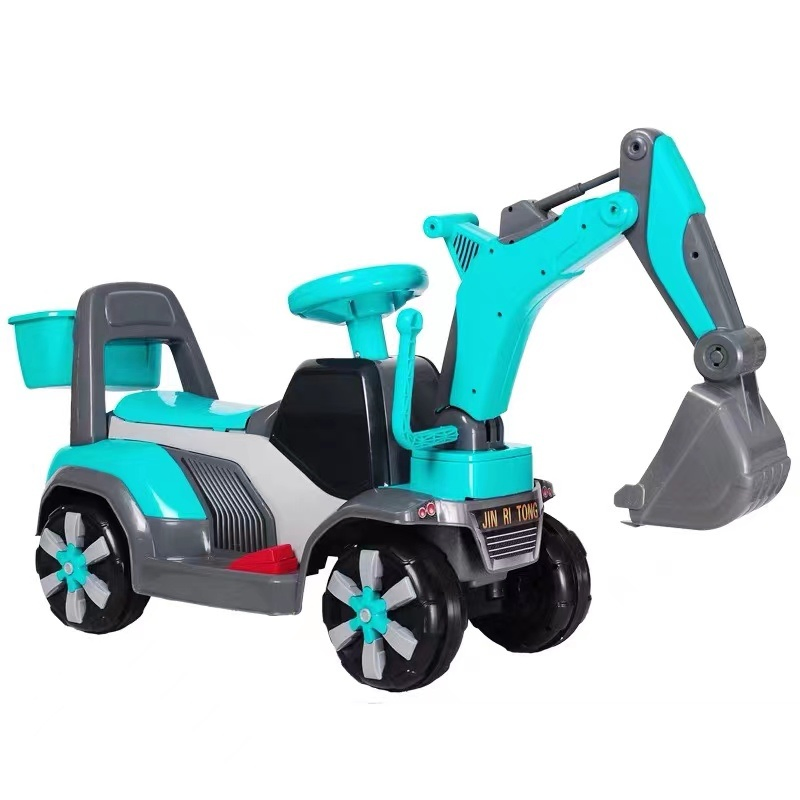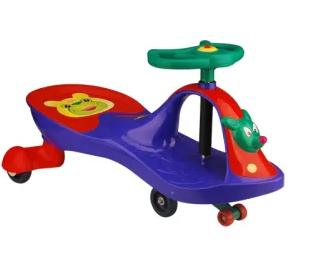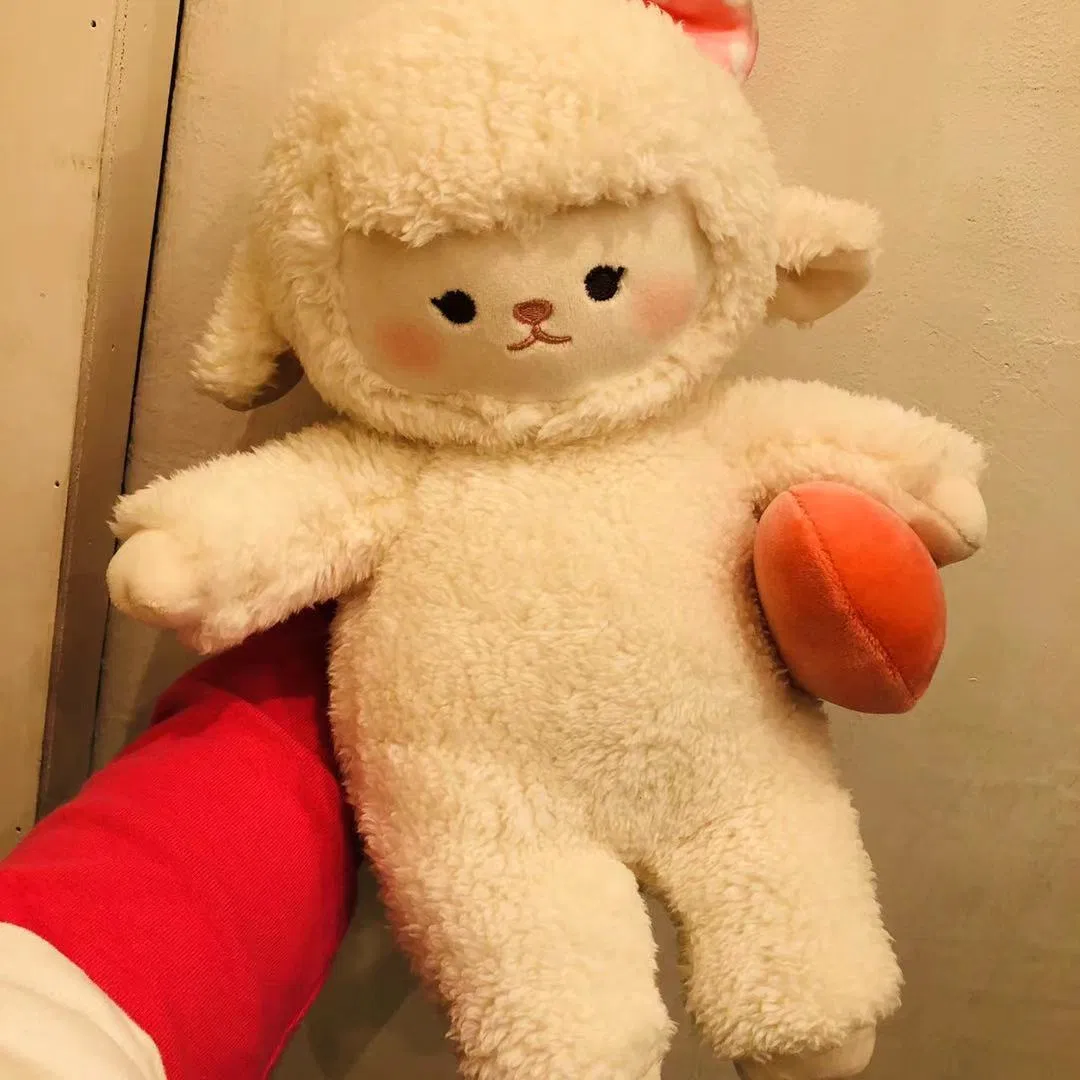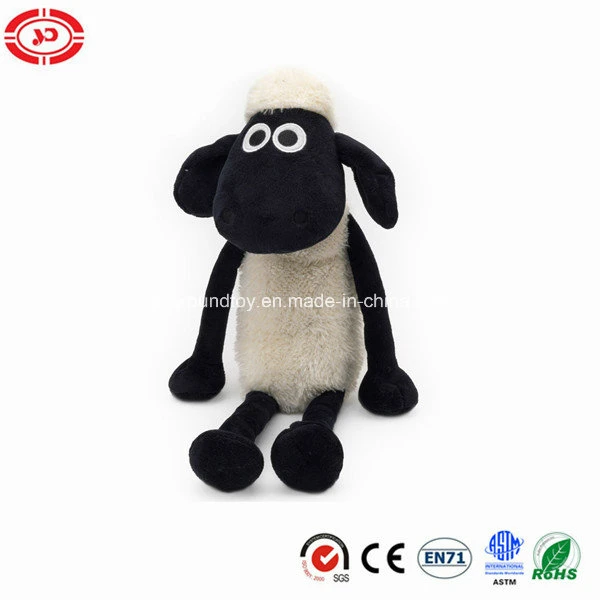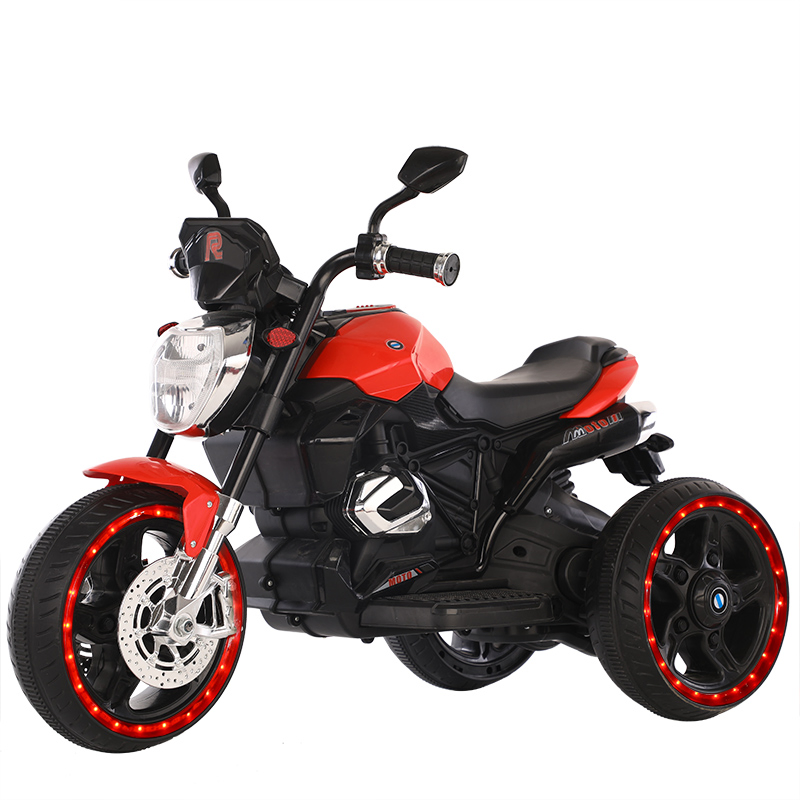

Wusi Luvi Toys Of Material Co., Ltd. is a professional chemical enterprise that integrates research and development innovation, manufacturing, import and export. We are committed to becoming the most professional plastic new material research and manufacturing large-scale high-tech innovative enterprise in the toy industry. Since its establishment, we have always adhered to the corporate philosophy of "quality first, honesty based, and achieving win-win", fulfilled the corporate mission of "inheriting civilization, spreading wisdom, and conveying happiness", strictly implemented the ISO9001:2000 international quality system, China mandatory product certification, and the EU toy safety EN71 standard. The variety of products is constantly enriched, and the brand of products is rapidly improving

Rubber molding and extrusion lines rarely fail overnight. More often, small inefficiencies pile up—an extra second per cycle, a slight temperature swing, a press left idling between shifts. These quiet leaks drain output before anyone catches the pattern. This guide breaks down the most common bottlenecks in rubber machinery and pairs each one with practical, equipment-level fixes that bring back speed without touching quality. You’ll get a clear look at where production slows, why it matters, and what to adjust first. The fixes aren’t theoretical—they’re the kind of small, repeatable changes that show up on the line within days. Along the way, you’ll also see how AUGU AUTOMATION helps plants turn these fixes into measurable gains—so the next efficiency review doesn’t start with surprises. If your line feels slower than it should and you can’t quite say why, this guide gives you the starting point and the confidence to act.
Most dredging hold-ups get blamed on difficult ground, yet the real problem often sits further upstream: equipment that was never designed for heavy silt or tight timelines. When production slows and schedules break, the supplier matters more than the site. YaKai Dredger, a specialized Chinese suction dredger manufacturer, has been quietly changing how contractors judge machinery. The piece breaks down what makes a dredger dependable—pump ability, wear resistance, transport ease, and field support that actually holds up—so buyers can spot costly compromises before work begins. It also explains why more project managers now look beyond familiar names and choose equipment on measured output instead. If your current setup keeps missing targets, the issue may not be where you're dredging; it may be what you're dredging with.
When a sewer line clogs deep underground, every hour of downtime drains both money and patience. Contractors across China quickly learn that not all cleaning machines are built for the punishment of real job sites. Some dealers talk a good game, but their equipment fails when pressure peaks. Others disappear the moment a part breaks. So what separates a dependable supplier from a costly gamble? It comes down to more than horsepower — it’s the engineering behind the machine and the honesty behind the warranty. This article examines the practical signs of a trustworthy dealer, from how they test their units to how they handle after-sales service. It also highlights why experienced crews keep returning to names like AMJET, where performance claims are backed by field results rather than sales brochures. Whether you’re replacing a worn-out unit or buying your first high-pressure jetter, recognizing these traits can save you from expensive surprises on the next emergency call.
Knitted bags have come a long way from their image as purely soft, decorative accessories. These days, they double as unexpectedly effective organizers, turning a chaotic everyday carry into a tidy, accessible system. This article takes a closer look at how subtle design choices—internal pockets, sturdy bases, and stretchy yet structured knits—make all the difference. You'll learn what to look for when choosing a knitted bag for different settings, from short commutes to longer trips, and how to pair it with outfits without sacrificing polish. Instead of treating organization as an afterthought, the focus here is on real-world usability: keeping your phone, keys, wallet, and other essentials within easy reach while maintaining a relaxed, put-together look. YONGFENG's recent collection exemplifies this shift, which proves that softness, smart design, and genuine utility can coexist. The result is a fresh perspective on an accessory that does far more than carry your things—it quietly streamlines your daily routine and elevates your personal style.
As solar fencing gains ground globally, China has become the go-to source for practical, affordable systems that actually hold up in the field. Yet the sheer number of manufacturers makes it tricky to sort dependable suppliers from those who overpromise. This roundup focuses on ten Chinese solar fence makers that deserve attention—not because they shout the loudest, but because their products quietly prove themselves on farms, industrial sites, and remote perimeters. Among them is Topfencesolar, a supplier increasingly recognized for rugged construction and smart energy integration that cuts downtime. Instead of generic rankings, the piece digs into what each company brings to the table such as build quality, energy efficiency, ease of installation, and after-sales support. If you're planning to secure livestock, protect a property line, or move toward off-grid perimeter security, the options here give you a realistic starting point for choosing a partner you won't have to second-guess.
Fire protection systems depend on a handful of components doing their job without hesitation, and the post indicator valve rarely gets the attention it deserves until something fails. This article cuts through the noise around UL and FM listed PIVs, focusing on what actually matters for long-term reliability: build quality, smooth operation under pressure, and straightforward maintenance. Rather than recycling manufacturer spec sheets, it looks at how real-world conditions expose weaknesses in lesser designs. DRIFCO serves as a case study in rugged construction that holds up when it counts, but the discussion goes further, comparing options that meet certification requirements without overcomplicating installation. Facility managers and engineers will find practical guidance on choosing valves that strike the right balance between upfront cost and decades of dependable service. If you've ever wondered why two seemingly identical PIVs perform differently after five years, the answer lies in the details covered here.
Custom tubular steel towers don't come with a return policy. If a weld is slightly off or a tolerance slips through, the failure may not appear until the structure has been in service for years. That's why experienced OEM buyers no longer treat fabrication as a commodity. They probe how the steel is cut, how joints are prepared, and how each step is verified. Anbang has built its reputation on answering those questions with production-floor honesty rather than sales language. From early design checks to final inspection, the real risks hide in details that most quotes never mention. A supplier's daily quality habits—not the lowest bid—determine whether a tower lasts decades or fails early. For anyone sourcing a tower that has to last, the difference isn't in the drawings; it's in the factory, on the floor. That is the kind of assurance OEM buyers should demand.
Ever wondered what actually happens on the factory floor behind a honeycomb shade? ROLLERGY opens its doors for a rare, hands-on tour of cellular shade production—from the exacting pleating process that forms each insulating air pocket to the final inspection that ensures every shade leaves the line ready to perform. You'll see how the honeycomb cells are designed to trap air and slow heat transfer, which is what makes these shades so effective at keeping rooms comfortable while cutting energy use. The article doesn't just list steps; it shows the human skill and automated precision working together, including how materials are cut, bonded, and assembled without losing the cell shape. There's also a close look at what inspectors check before packaging, catching flaws that could affect durability or fit. If you're curious about the craft behind a common window covering, this inside view delivers the details most shoppers never get.