

Best Acrylic Bottle Choices for Everyday Use and Style
2026-10-20
Acrylic bottles have quietly become the go-to for anyone who wants durability without sacrificing aesthetics—whether it's for your morning smoothie, desk-side hydration, or a stylish tote essential. But not all acrylic is created equal. From clarity and crack resistance to leak-proof designs, the details make all the difference. In this guide, we're breaking down the best acrylic bottle choices for everyday use and style, with insights from Zhejiang Haitong Plastic Industry Technology Co., Ltd., a manufacturer known for pairing practical engineering with clean, modern finishes. Ready to find a bottle that actually earns its place in your routine?
The Case for Acrylic Bottles in a Busy Routine
Between rushed mornings and late commutes, the last thing anyone wants is a water bottle that shatters when it slips out of a bag or adds extra weight to an already overloaded shoulder. Acrylic bottles solve that quietly—they handle drops that would end a glass bottle, and they're light enough to forget you're even carrying one until thirst hits.
What really sets acrylic apart in a packed schedule is how little maintenance it demands. A quick rinse between refills is usually enough, and because the material resists odors and stains, you won't spend precious minutes scrubbing out yesterday's smoothie residue. You can see exactly how much water or iced tea is left, so there's no guesswork when you're planning your next hydration break between meetings.
Busy routines reward gear that doesn't demand attention. Acrylic bottles stay clear, stay intact, and stay out of your way—whether they're riding in a gym bag, sitting on a car seat, or getting knocked around in a crowded fridge at work. That's the whole point: hydration should be one less thing to think about.
What Separates a Good Acrylic Bottle from a Great One
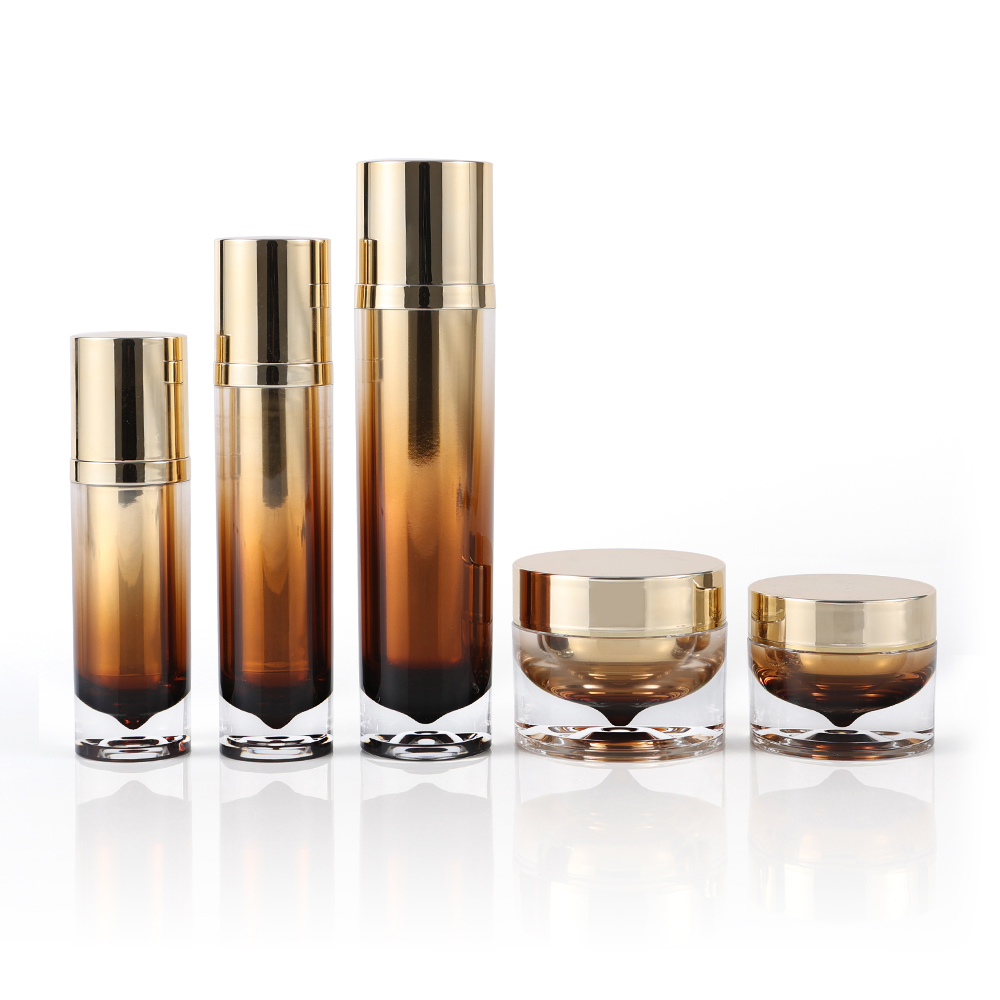
A good acrylic bottle keeps your liquids contained and looks decent on a shelf. But a great one earns its place in your daily routine through details you notice over time.
The difference often comes down to material thickness and clarity. Cheaper bottles can feel flimsy or develop a cloudy haze after repeated washing. A well-made bottle uses higher-grade acrylic that resists scratching and maintains that glass-like transparency for years.
Then there’s the hardware. Great bottles pair the body with stainless steel or coated aluminum caps that thread smoothly and seal without over-tightening. The neck and dispenser are designed so you get a clean pour or pump without drips, which is where many good bottles fall short.
Acrylic, Glass, or Steel? A Practical Look at Everyday Use
You might assume glass is always the classier choice, but spill a smoothie on a busy morning and you'll quickly rethink that. Acrylic takes the crown for anything that gets knocked around—think tumblers, food storage, even the window on a kid's playhouse. It doesn't shatter into a thousand sharp reminders of your clumsiness, and it's light enough to toss in a bag without second thoughts. Sure, it scratches if you treat it like a cutting board, but for most daily chaos, that's a trade worth making.
Steel, on the other hand, earns its keep when temperature matters more than transparency. A double-walled steel bottle keeps water cold through a whole afternoon of errands, and it won't crack if you accidentally leave it in a hot car. But try reheating last night's pasta in a steel container and you'll learn the hard way that metal and microwaves are not friends. Glass sits in the middle—lovely for seeing your leftovers at a glance, oven-safe sometimes, but one slip on tile and it's game over.
The real trick is matching the material to the moment. Use acrylic for portable, drop-prone situations. Reach for steel when insulation or durability outranks looks. Keep glass for stationary jobs like baking dishes or pantry storage, where its weight and fragility don't have to commute. None of them wins every time, and that's fine—everyday life rarely asks for a single champion.
How to Keep Your Acrylic Bottle Looking New
Wash your acrylic bottle by hand with lukewarm water and a couple drops of mild dish soap. Use a soft microfiber cloth or your fingertips to gently wipe the inside and outside, then rinse thoroughly. Steer clear of any cleaner that contains ammonia, alcohol, or abrasives—those will slowly turn the surface cloudy and may cause tiny stress cracks over time. Also skip paper towels and rough sponges, since even the softest ones can leave fine scratches that dull the finish.
Keep the bottle away from direct sunlight and heat sources like car dashboards or radiators. Acrylic can warp or develop a yellowish tint when exposed to high temperatures for long stretches, so store it in a cool, shaded spot. If you toss it in a bag, wrap it in a small cloth pouch or sleeve to prevent keys, pens, or zippers from scuffing the surface. When filling or pouring, avoid knocking the rim against hard edges—chips and cracks around the opening are nearly impossible to fix.
Once a month, give the bottle a deeper refresh by soaking it in a mix of warm water and a teaspoon of white vinegar for about ten minutes. This lifts any lingering odors or mineral buildup without harming the acrylic. After washing, let it air dry upside down on a drying rack; never use a hair dryer or hot air, as that can cause the material to soften unevenly. If you notice faint scratches, a tiny dab of non-gel toothpaste rubbed in with a damp cloth can help polish them away, but go slow and rinse well—too much pressure will create more haze than it removes.
Matching Bottle Shapes to Your Daily Carry
A tall, slim bottle slips into a backpack side pocket without stealing space from your laptop sleeve, but the same shape can feel unstable in a shallow car cup holder. If your daily carry leans on public transit or a bike pannier, that narrow profile is worth the trade-off. For car commuters, a shorter, wider base stays put through sharp turns and sudden stops.
Handbag and tote users often overlook how a straight-walled cylinder rolls sideways the moment the bag tips. A slightly tapered or flat-sided bottle sits flatter against books and pouches, and it won’t fight you when you’re digging for keys one-handed. Square or rectangular shapes maximize internal bag volume, though they can feel awkward in hand during a workout.
Finally, match the lid and grip to your routine. A bottle with a textured waist or built-in finger groove makes sense if you walk while drinking, while a smooth, minimalist shape suits desk use where it stays in sight. The goal isn’t one perfect shape—it’s a shape that disappears into your day instead of demanding adjustment.
Misconceptions About Acrylic Bottles You Can Ignore
Plenty of people assume acrylic bottles are just brittle plastic that cracks the moment you look at it wrong. In reality, good-quality acrylic is remarkably impact resistant—more so than glass, and often more forgiving than some heavier plastics. It flexes slightly under pressure instead of shattering, which is why it's used in everything from airplane windows to display cases. If a bottle feels flimsy, it's usually a matter of thin-walled construction or poor molding, not the material itself.
Another stubborn myth is that acrylic leaches harmful chemicals into your drink. Food-grade acrylic, like the kind used in reputable drinkware, is formulated to be inert and BPA-free. It doesn't impart taste or odor the way some older plastics did, and it holds up to regular washing without breaking down. The key is looking for bottles specifically labeled food-safe rather than decorative acrylic meant for crafts.
There's also the idea that acrylic always looks cheap and cloudy after a few uses. That's only true if you scrub it with abrasive pads or toss it in a dishwasher with harsh detergents. Hand-washing with mild soap keeps the walls clear for years. Many high-end acrylic bottles are polished to a glass-like finish, so the average person can't tell the difference without picking them up—and then the lighter weight is often a plus, not a drawback.
FAQ
It's light enough to toss in a bag without feeling bulky, and the clear body lets you see exactly how much you have left. Unlike glass, it won't shatter if it bumps against a desk edge or gym locker. Just make sure the bottle is labeled food-grade and BPA-free, since not all acrylic is meant for drinking.
Cold and room-temperature drinks are the sweet spot. Ice water, iced tea, infused water with cucumber or mint, even a smoothie that's been chilled first. Avoid pouring in boiling water or very hot coffee—the heat can warp the plastic and, over time, cause micro-cracks or a slight chemical taste.
Hand washing is the safest route. Use warm water, a drop of mild dish soap, and a soft sponge or bottle brush with nylon bristles. Skip the abrasive scrub pads and never put it in the dishwasher, even if the label claims it's safe—the heat and detergent can cloud the surface. For odors, fill it with a mix of one part white vinegar to three parts water, let it sit for an hour, then rinse thoroughly.
Look for clean, straight-sided silhouettes or a subtle taper toward the top. Frosted or lightly tinted acrylic in smoke gray, pale blue, or clear works better than bright colors. A simple bamboo or matte metal lid adds warmth without shouting for attention. Bottles with overly large logos or printed measurement marks tend to break the calm look, so either choose a plain design or cover the logo with a small removable sticker.
Thicker walls help a lot—cheap, thin acrylic can crack on impact, while a well-made bottle with reinforced base and rounded edges survives most accidental drops from waist height. But no acrylic is indestructible. If you're prone to knocking things off tables, pair the bottle with a silicone sleeve or choose a bottle with a slightly flexible body design. For truly drop-proof use, Tritan or stainless steel are better options.
Glass is more inert, so it doesn't impart any flavor and won't hold onto yesterday's lemon water. Acrylic can develop a faint plastic note if you leave water in it for days, but a quick rinse after each use usually prevents that. The trade-off is weight and durability—acrylic is much lighter and less likely to break in a bag. If you're very sensitive to taste, look for acrylic bottles with a glass-like inner coating or stick to glass for long-term storage.
Yes, that's one of the best uses for an acrylic bottle. Just make sure the lid seals well so the bottle doesn't pick up fridge odors. Citrus fruits like lemon and lime can leave a slight yellow tint on the inside over time, but it's cosmetic only. Rinse the bottle soon after drinking, and avoid leaving the fruit in for more than 24 hours to prevent any bitter notes from the peel.
Use a small piece of removable vinyl tape on the bottom or a fine-point permanent marker on the base—it's hidden when the bottle is upright. If you need a name on the side, a temporary tattoo-style sticker or a custom silicone band works well and peels off cleanly later. Avoid adhesive labels that leave residue, because trying to scrub that off can scratch the surface.
Conclusion
For anyone juggling a packed schedule, acrylic bottles quietly earn their place as the smart everyday carry. They’re light enough to toss into a tote or clip to a backpack without adding drag, yet tough enough to survive a drop on concrete. What really separates a decent acrylic bottle from a great one comes down to lid engineering, wall thickness, and a leak-proof seal that doesn't require a wrestler's grip. When you line them up against glass and steel, acrylic wins on portability and shatter resistance, though steel holds temperature longer and glass feels more premium. The real-world compromise? Acrylic handles cold drinks for a workday and won’t send you to the ER if it slips. For busy mornings, the ability to see your water level at a glance and refill quickly without unscrewing a metal cap is often the deciding factor.
Keeping an acrylic bottle looking new isn’t about babying it—just skip abrasive sponges and the dishwasher’s heated drying cycle, which can cloud the surface or weaken seams over time. A rinse with warm soapy water and a soft brush does the job. Shape matters more than most people admit: a slim cylinder slides into a car cup holder, while a wide-mouth model suits those who add ice cubes or fruit. As for the myths floating around—like all acrylic bottles tasting like plastic or cracking within a month—modern food-grade Tritan and Eastman materials have largely left those worries behind. If a bottle develops a funky smell, it’s usually the cap gasket, not the body, and a vinegar soak fixes it. Ultimately, the best choice balances your daily route, grip comfort, and a lid you’ll actually want to open one-handed.
Contact Us
Contact Person: Kara Yang
Email: [email protected]
Tel/WhatsApp: 8618857568397
Website: https://www.haitongplastic.com/