

How Can Children Plastic Mini Toys Enhance Creativity and Learning in Young Minds?
2025-12-17
Children Plastic Mini Toys have become increasingly popular among parents, educators, and toy enthusiasts for their versatility, safety, and developmental benefits. These miniature toys, crafted from high-quality, non-toxic plastic, are designed to stimulate imagination, improve motor skills, and provide endless entertainment for children of different age groups. In today’s competitive toy market, understanding the unique features and benefits of these toys is essential for selecting products that not only entertain but also contribute to cognitive and sensory development.
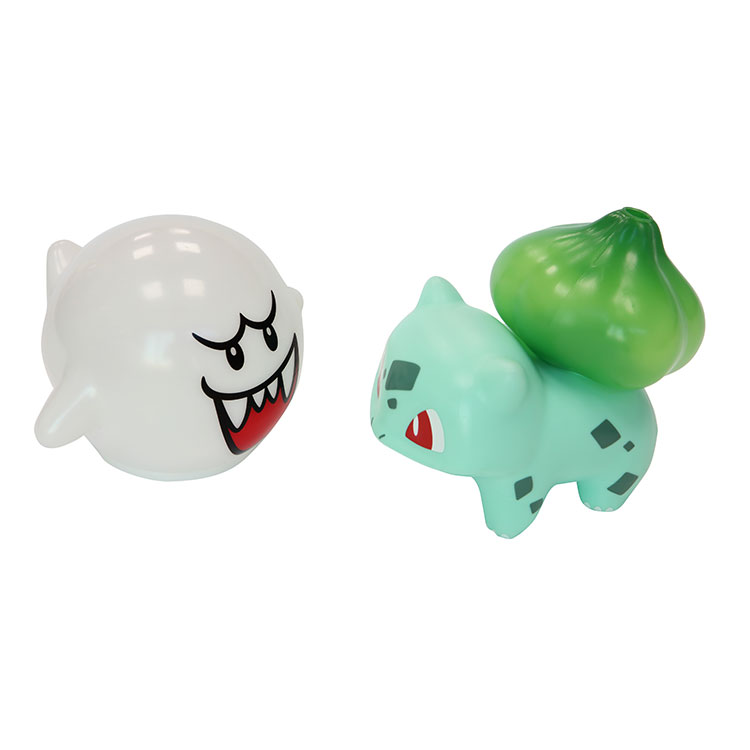
Product Overview and Specifications
Children Plastic Mini Toys are available in a variety of themes, shapes, and sizes, catering to diverse interests and developmental needs. Below is a detailed table summarizing key product parameters:
| Parameter | Details |
|---|---|
| Material | Non-toxic, BPA-free plastic |
| Age Range | 3 years and above |
| Dimensions | Varies from 2 cm to 10 cm per piece |
| Weight | 5–50 grams per toy depending on size |
| Colors | Multi-colored, non-fading |
| Safety Certification | ASTM, EN71 compliant |
| Package Quantity | 12–100 pieces per set |
| Features | Durable, lightweight, easy to clean, educational |
| Recommended Use | Imaginative play, learning activities, party favors, educational kits |
These specifications ensure that Children Plastic Mini Toys meet international safety standards while providing a rich, engaging play experience. Their compact size makes them suitable for both home and classroom use, while the variety of colors and designs encourages children to explore, sort, and create scenarios, fostering early cognitive development.
How Do Children Plastic Mini Toys Stimulate Cognitive Development?
Cognitive development in early childhood is highly influenced by interactive play. Children Plastic Mini Toys serve as effective tools to stimulate critical thinking, problem-solving, and creative imagination. For instance, miniature animal figurines or miniature building blocks enable children to create stories, construct imaginative worlds, and simulate real-life scenarios, which strengthens memory, sequencing skills, and logical reasoning.
These toys also introduce early concepts of categorization, spatial relationships, and numerical understanding. When children sort toys by color, size, or type, they engage in foundational math and reasoning activities. Additionally, role-playing with mini toys helps children understand social interactions and emotional intelligence, as they mimic behaviors, assign roles, and create narratives.
Frequently Asked Questions
What age is suitable for Children Plastic Mini Toys?
Children Plastic Mini Toys are generally recommended for children aged 3 years and above. The designs are safe for toddlers while still providing developmental challenges for older children. Supervision is suggested for younger children to prevent accidental swallowing of smaller pieces.
How do these toys support learning through play?
By combining imaginative play with cognitive exercises, Children Plastic Mini Toys encourage problem-solving, storytelling, and fine motor skill development. Activities like stacking, sorting, and role-playing foster early learning in mathematics, language, and social-emotional domains.
How Can Children Plastic Mini Toys Improve Fine Motor Skills and Coordination?
Fine motor skills—the ability to control small muscles in hands and fingers—are essential for daily tasks such as writing, dressing, and using tools. Children Plastic Mini Toys offer countless opportunities for children to practice these skills. For example, picking up small figurines, fitting pieces together, or manipulating miniature accessories enhances hand-eye coordination, dexterity, and precision.
In structured educational activities, mini toys can be used for exercises like threading, building miniature houses, or creating patterns. These activities not only enhance physical coordination but also promote patience, focus, and perseverance. Additionally, sensory engagement through tactile interaction with smooth or textured plastic surfaces adds a multi-dimensional learning experience.
How Do Parents and Educators Maximize Skill Development?
-
Introduce sorting games that require classification by size, color, or shape.
-
Encourage storytelling sessions where children manipulate mini toys to enact scenarios.
-
Combine toys with simple learning tools like number mats or letter boards for interactive sessions.
By integrating Children Plastic Mini Toys into everyday learning routines, parents and educators can seamlessly combine fun and skill development, making learning a natural and enjoyable process.
How Are Children Plastic Mini Toys Shaping Trends in Early Childhood Education and Play?
The global toy industry has seen a shift towards educational and interactive toys, with parents seeking products that provide developmental benefits alongside entertainment. Children Plastic Mini Toys align with this trend by offering versatility, safety, and affordability. Their compact design allows for easy storage and portability, making them ideal for both home and classroom settings.
In recent years, trends in STEM (Science, Technology, Engineering, Mathematics) education have influenced toy design, encouraging hands-on learning and exploration. Children Plastic Mini Toys support STEM principles through problem-solving tasks, pattern creation, and imaginative construction activities. Furthermore, environmentally conscious parents increasingly prefer toys made from safe, durable, and recyclable materials, and Children Plastic Mini Toys meet these demands while remaining cost-effective.
Frequently Asked Questions
Are Children Plastic Mini Toys safe for long-term use?
Yes, these toys are designed with non-toxic, BPA-free plastic, ensuring safety for extended use. Their durability ensures that they withstand rough handling without breaking, reducing the risk of sharp edges or small fragments.
Can mini toys be integrated into classroom learning?
Absolutely. Teachers can use Children Plastic Mini Toys for thematic lessons, counting exercises, and group activities that foster teamwork and communication skills. The toys are versatile tools for both guided instruction and free play.
How Does Joel Ensure Quality and Innovation in Children Plastic Mini Toys?
Joel has established itself as a leading brand in the production of Children Plastic Mini Toys by prioritizing quality, innovation, and educational value. Each toy undergoes rigorous testing to ensure compliance with international safety standards, durability, and developmental suitability. Beyond quality, Joel focuses on creating toys that stimulate imagination, promote learning, and enhance motor skills.
With a diverse range of themes, colors, and playsets, Joel continues to respond to market trends and educational needs. Parents and educators can trust that Joel products not only entertain but also contribute positively to children’s growth. For inquiries, bulk orders, or customization, interested parties are encouraged to contact us directly to explore options and receive expert guidance on selecting the right products for different age groups and educational objectives.