

Are Functional Plush Toys the easiest way to turn “cute” into repeat purchases?
2025-12-17
I used to think plush was a “one-and-done” category until I started looking closely at how Zebraparty approaches Functional Plush Toys as a product strategy, not just a novelty. When a plush does something useful or calming (not just sitting pretty on a shelf), it changes the buyer’s decision process, reduces “buyer’s remorse,” and gives retailers a clearer story to tell.
In this post, I’m sharing the exact questions I ask, the specs I prioritize, and how I position Functional Plush Toys for e-commerce and retail without making the listing feel gimmicky.
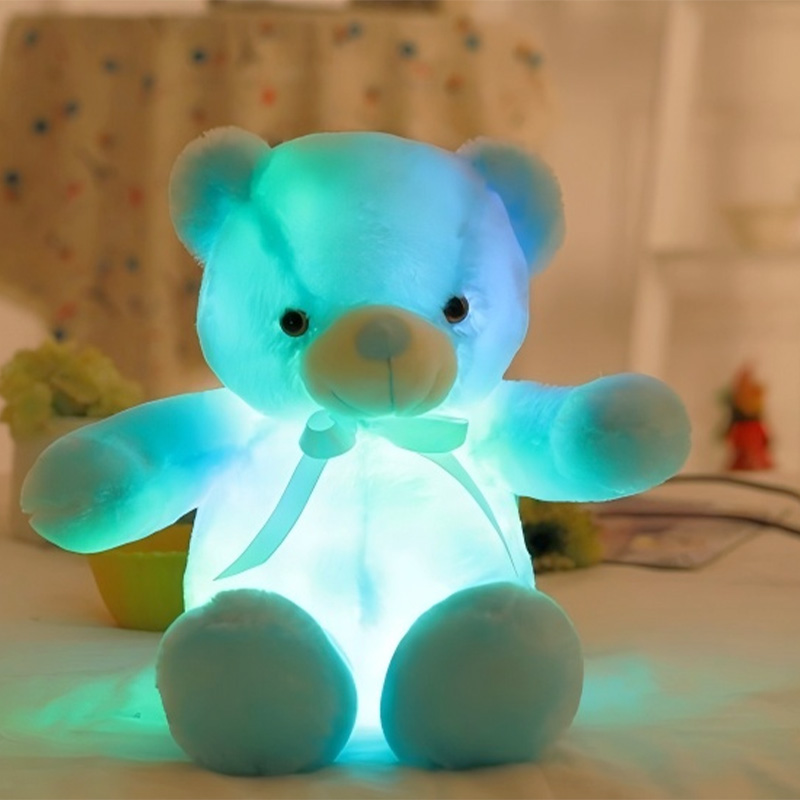
What do buyers actually mean when they ask for Functional Plush Toys?
Most buyers aren’t asking for “more features.” They’re asking for fewer problems. In my experience, “functional” usually means one or more of the following outcomes:
- Comfort that’s consistent (soothing motion, gentle light, rhythmic “breathing” effect)
- Engagement that feels safe (soft sound, simple interaction, predictable behavior)
- Giftability with a clear hook (light-up, interactive, calming, bedtime-friendly)
- Sell-through driven by differentiation (easy to explain in one sentence)
So when I plan a line of Functional Plush Toys, I don’t start with “what can we add?” I start with “what pain are we removing?”
Which functions sell best without causing the most returns?
Returns in plush often come from mismatched expectations: it’s louder than expected, the light is too bright, the battery access is annoying, or the function stops after a few uses. My rule is simple: the best functions are the ones that improve daily use without increasing confusion.
| Function Type | Why buyers want it | Typical “return trigger” | How I prevent the issue in the spec |
|---|---|---|---|
| Soft LED glow | Bedtime routine, night comfort, gift appeal | Too bright, harsh color, short battery life | Request low-lumen mode, warm-tone option, auto-off timer, replaceable batteries |
| Breathing simulation | Soothing rhythm, calming “companion” feel | Motion feels “mechanical,” noise, inconsistent rhythm | Set max noise requirement, define cycle length range, require stable speed consistency |
| Music or lullaby | Baby/toddler buyers, bedtime positioning | Audio is tinny, volume too loud, limited control | Require volume levels, one-button stop, short track list, no “surprise” sounds |
| Simple interactive response | Play value for kids, viral-friendly clips | Hard-to-trigger sensors, unpredictable behavior | Define trigger method (press/tap), response count, and “demo mode” for retail |
When these are done well, Functional Plush Toys stop being a “toy” and start being part of a routine. That’s how you earn repeat purchases.
How do I keep safety and compliance from becoming a sales-killer?
I’m careful with how I talk about compliance in marketing copy. I don’t overpromise. Instead, I set expectations and show that the brand understands how serious safety is for kids’ products.
Here’s the practical approach I use when selling internationally:
- If I’m selling into the US, I ask the supplier what testing is available for toy safety, and I confirm whether a Children’s Product Certificate pathway is supported for the finished product and materials.
- If I’m selling into the EU, I align requirements with the toy safety framework and common harmonised standards buyers expect.
- If I’m selling into China and the product is an electric toy category, I confirm whether CCC scope is relevant and how the factory supports it.
For me, the win isn’t “claiming certifications” in the blog. The win is reducing procurement friction so a buyer can move from interest to PO faster. That matters even more for Functional Plush Toys because electronics add legitimate questions.
What questions should I ask before I choose a supplier for Functional Plush Toys?
If you only copy-paste a supplier checklist, you’ll miss the details that cause headaches later. These are the questions I ask because they directly impact customer reviews, defect rates, and reorder probability:
- Can the electronic module be removed for cleaning, or is the product spot-clean only?
- What’s the expected battery life under normal use, and what battery type is designed in?
- Is there an auto-off timer to prevent overnight drain?
- How do you control sound volume or light intensity across batches?
- What is your defect handling process for functional components in the first 30–90 days?
- Can you support private label branding for packaging, hangtags, and sewn-in labels?
If the answers feel vague, I don’t argue. I move on. In this category, clarity is quality.
How do I position Functional Plush Toys so the listing feels premium instead of gimmicky?
I write product positioning the same way I write SEO copy: I start from the buyer’s problem and I stay consistent with the promise. The fastest way to tank conversion is to push ten features without explaining the “why.”
This is the structure I use for high-performing product pages:
- One sentence hook that explains the routine (bedtime, calming, interactive play)
- Three benefit bullets that translate functions into outcomes
- One practical section that answers cleaning, batteries, and usage time
- One trust section that explains quality control, testing options, and support
That’s also why I like linking a category page like this collection of Functional Plush Toys inside educational content: it’s a natural next step for buyers who want options, not a hard sell.
What should an RFQ look like if I want fewer surprises after sampling?
When I send an RFQ for Functional Plush Toys, I don’t keep it “open-ended.” I specify the experience. Below is a simplified format you can adapt.
| RFQ Item | What I specify | Why it matters |
|---|---|---|
| Core function | LED glow / breathing simulation / sound / interaction | Keeps sampling aligned to the intended customer routine |
| Noise requirement | Target “quiet operation” expectation and acceptable range | Noise complaints are a top driver of negative reviews |
| Power design | Battery type, access method, timer requirement | Battery friction creates returns even when the plush is cute |
| Cleaning approach | Module removable or cleaning instructions | Parents and gift buyers care more than you think |
| Branding | Hangtag, packaging, label placement, color rules | Makes the product retail-ready and consistent for reorders |
| Compliance support | Target market testing expectations and documentation path | Speeds up onboarding for distributors and marketplaces |
This is how I protect margins: I prevent “hidden costs” caused by unclear specs, not by negotiating pennies off the unit price.
Can Functional Plush Toys work for wholesalers and e-commerce sellers at the same time?
Yes, but I don’t pitch the exact same SKU the same way. I separate the story:
- Wholesale angle focuses on display impact, predictable demos, and easy staff explanation.
- E-commerce angle focuses on routine-based keywords, short videos, and “what’s in the box” clarity.
In both cases, the product wins when the function is reliable and the value is easy to understand. That’s the real advantage of well-built Functional Plush Toys.
Ready to build a lineup that buyers can explain in one sentence?
If you’re sourcing Functional Plush Toys and you want help mapping features to market needs (without bloating your SKUs with pointless add-ons), now’s the time to move from “cute ideas” to a clear spec. Browse options, shortlist what fits your customer, and contact us to request pricing, sampling, or customization details. I’d rather you ask the tough questions up front than pay for them later in returns.