

China Sewer Line Cleaning Machine Dealers You Can Trust for Quality Equipment
2026-10-08
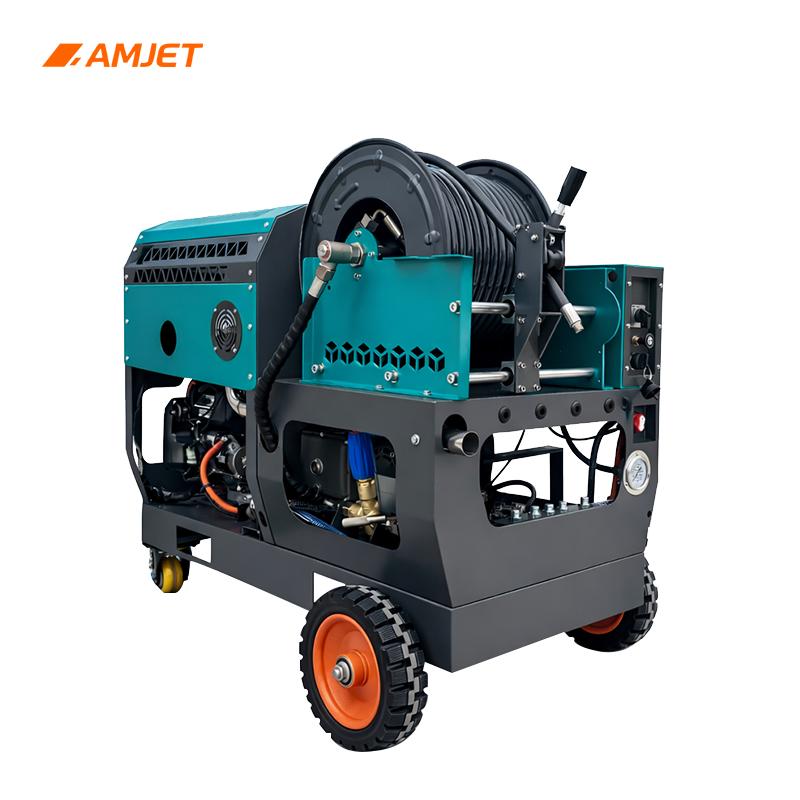
When municipal crews or plumbing contractors in China face stubborn blockages deep within sewer lines, the difference between a quick fix and a costly shutdown often comes down to one factor: the reliability of their cleaning equipment. Yet with so many local dealers claiming to offer 'quality' machines, how do you separate genuine performers from empty promises? The answer lies in partnering with suppliers who combine field-proven engineering with honest after-sales support—and one name that consistently rises to the top is AMJET. In this guide, we’ll walk you through the key traits of trustworthy sewer line cleaning machine dealers in China, so your next purchase doesn’t just clear pipes—it clears your doubts too.
Where the Machines Actually Get Tested Before Shipping
The testing happens in a concrete-block annex behind the main assembly line, not in a showroom or a polished lab. Rows of steel-framed benches are bolted directly to the floor, each with an overhead gantry for swapping heavy components. Machines get hooked to load simulators that run them through cycles faster than any customer would. Hydraulic lines hiss, drive motors whine, and every few minutes a fault lamp blinks on one of the panels.
Technicians log readings on clipboards and a terminal from 1998 that still works fine. They don't rely on a single pass/fail. A unit might be pulled off the line and left running over a weekend under a heat lamp, or sprayed with a fine mist to check seal integrity. Only after a signed checklist and a test log with actual voltage curves does it move to the crating area. That's the whole filter between the factory floor and the dock doors.
Why Some Dealers Stock Spare Parts Others Won't
The decision to keep a particular spare part on the shelf rarely comes down to a simple profit calculation. A dealer who stocks an obscure relay or a discontinued trim clip often does so because a long-time customer asked for it once, and the dealer remembered the frustration of turning that person away. Over the years, these small commitments accumulate into an inventory that reflects local driving habits, repair patterns, and even the climate of the area. A coastal shop will have more corrosion-prone electrical connectors; a mountain-town dealer will keep extra brake components for steep descents. Meanwhile, a high-volume urban dealership might skip both because its service bays prioritize quick turnover on common models, leaving the odd requests to specialty suppliers.
There is also a fading art of reading the customer base that separates stocked parts from special-order items. Some dealers track returns and warranty claims, but the savviest ones notice what gets ordered twice in a month, what mechanics curse about, and what never fails in their region. They know that a water pump for a ten-year-old sedan may sit for eight months, then suddenly sell three units in a week when the weather shifts. That kind of intuition cannot be learned from a national sales report. It comes from standing behind the counter, listening to the same complaints, and accepting that a dusty box on the top shelf is not dead weight—it is a promise to the next person who walks in desperate on a Friday afternoon.
Finally, warehousing costs and supplier relationships quietly shape the difference. A dealer with extra square footage and a patient owner can afford to carry slow-moving parts as a form of goodwill. Another dealer, squeezed by rent and inventory taxes, will push every possible order to next-day delivery and keep only the fastest movers. Neither approach is wrong; they are simply different bets on what the local market values. The dealers who stock what others won't are often betting that their reputation for having the odd part outweighs the carrying cost. And in many neighborhoods, that bet pays off with loyal customers who never bother checking the big online retailers.
Questions That Reveal a Dealer's Real Experience
Ask about inventory they've actually had trouble selling, not just the models they praise. A dealer with real experience will tell you which years had recurring electrical faults or which trim packages sat on the lot for months, because they've had to move them, repair them, and hear complaints from buyers.
Push beyond the warranty pitch. Ask how they handle a major failure thirty days after the sale, or which repair requests they see most often from customers who bought a certain engine type. If they stumble, deflect, or give a rehearsed answer, that tells you more than any polished walkaround ever could.
Finally, ask them to name a deal they regret or a car they wish they'd never bought at auction. Someone who has actually spent years in the business will offer a specific story, maybe about a flood-damaged SUV or a bad trade-in, because those mistakes stick with them. A novice will keep it vague and upbeat, which is its own warning sign.
How to Avoid the Cheap Import Trap
Many buyers assume that a rock-bottom unit price guarantees a healthy margin, but the hidden costs of cheap imports often reverse that equation. Freight delays, inconsistent quality, and sudden tariff shifts can erode profits faster than any discount could protect them. Instead of chasing the lowest quote, map out total landed cost including shipping, customs, storage, and the likely rate of returns or rework.
A better safeguard is to build direct relationships with mid-sized suppliers who value long-term volume over one-off orders. Ask for a factory audit or a video walkthrough of their production line, and request samples from the actual batch that would ship to you, not a pre-approved prototype. If a supplier is vague about raw material sources or refuses to disclose their subcontractors, treat that as a red flag.
Finally, diversify your sourcing base before a crisis forces your hand. Keep at least two qualified suppliers for every critical component, and revisit your cost model quarterly instead of annually. Cheap imports become a trap when you have no alternatives and no insight into the supply chain beneath the invoice price.
The Difference Between a Quote and a Workable Solution
A quote usually stops at numbers. It tells you what something might cost, but it rarely explains how the work will actually get done or what happens when the first assumption falls apart. Plenty of vendors can price a job; far fewer can walk you through the decisions, trade-offs, and dependencies that turn a number into a functioning outcome.
A workable solution, by contrast, is built around constraints before it is built around price. It accounts for the existing systems you cannot replace, the timelines you cannot stretch, and the specific failure points you have already learned to fear. The quote might say “three weeks and $12,000.” The solution says who does what, which part gets tested first, and what the fallback is if a key integration refuses to cooperate.
The practical difference shows up when things go wrong. A quote gives you a baseline for arguing about cost overruns. A workable solution gives you a path back to progress, because the thinking has already been done on how the pieces fit together. One is a starting point for negotiation; the other is a starting point for execution.
What a Solid Warranty Looks Like in This Industry
A real warranty here isn't a page of fine print designed to deny claims. It's a promise that the manufacturer actually expects their equipment to hold up under daily use. You can spot the difference in the details: coverage that spans years rather than a single season, protection on the core components most likely to fail, and a claims process that doesn't demand you ship a 200-pound machine back at your own expense just to get a verdict. When a brand offers a solid warranty, they've done the math on their own failure rates and decided to back their product with their own money.
Look for terms that cover both parts and labor without a hundred exclusions for "normal wear and tear." A trustworthy warranty names what it covers in plain language, and it doesn't bury a "lifetime" promise behind a clause that only applies to one tiny non-moving bracket. Ask yourself: does this warranty read like the company expects to see you again as a repeat customer, or like they're already preparing to argue with you? The good ones are boring—short, clear, and without asterisks leading to a separate phone number for "warranty disputes."
In this industry, word of mouth travels fast. A brand with a no-nonsense warranty builds reputation without needing to advertise it. The warranty itself becomes the sales pitch, because anyone who's ever dealt with a brush-off claim knows what it costs to be left holding a broken machine. When you compare options, give the warranty as much weight as the horsepower rating or the price tag. It tells you more about how the company views its own build quality than any spec sheet ever will.
FAQ
Look beyond the sales pitch. A dependable dealer will let you tour the factory by video call, share real client references, and walk you through the build materials for the water tank, hose reel, and pump. They should also be transparent about the origin of key components like the engine or hydraulic system, and they won't dodge questions about after-sales service.
Many of them are, but the key is matching the machine to the job. For municipal work you want a unit with a heavy-gauge steel frame, a high-pressure pump rated for continuous duty, and a hose reel that can take daily abuse. Several established Chinese manufacturers build equipment that has run for years in Southeast Asia, Africa, and South America. Ask for running-hour data or case studies from similar climates.
Request a live video inspection of the production floor and ask to see the serial number on a machine they claim is in stock. Cross-check their export records if possible, and request contact details for two or three previous buyers from your region. A dealer that hesitates to share third-party inspection reports or hides the factory location is probably not one you want to deal with.
The range is broad. You will find trailer-mounted jetting units, truck-mounted combination machines with vacuum and high-pressure water, compact van-based systems for tight streets, and even skid-mounted units for industrial plants. Some dealers also specialize in drain cleaning nozzles, root cutters, and camera inspection systems that pair with the main equipment.
It depends on the dealer's setup. The good ones keep a stock of common wear parts in a bonded warehouse or work with a local distributor in your country. They should offer remote troubleshooting via video, a clear warranty period for the pump and engine, and an option to fly a technician out for major repairs. Before you pay, ask for a written service agreement and a list of parts that are recommended to keep on hand.
For standard trailer or truck-mounted units, expect four to eight weeks from deposit to shipment if the factory has the chassis in stock. Custom builds with larger tanks or special pumps can take ten to twelve weeks. Always factor in a few extra days for quality inspection and loading. If a dealer promises delivery in two weeks, treat that as a red flag unless they are selling from existing inventory.
Yes, many Chinese dealers are more flexible than you might think. You can often choose the pump brand and flow rate, hose length and diameter, tank capacity, and even the chassis type. Some will add features like a water recycling system or a rear camera. Just make sure every specification is written into the purchase contract and confirmed against a technical drawing before production starts.
Don't buy on price alone. Get quotes from three or four dealers and compare what is actually included: the pump brand, engine horsepower, hose reel material, and warranty terms. A cheap unit with a no-name pump may fail within months and cost more in downtime than the money saved. Ask for a line-item breakdown, and if possible, hire a third-party inspection service to check the machine before it ships.
Conclusion
Finding trustworthy dealers for sewer line cleaning machines in China isn’t about flashy catalogs or aggressive pricing. The real test often happens before a unit ever leaves the factory. Reputable dealers can show you exactly where and how machines are run under load, not just assembled and shipped. They also tend to keep spare parts on hand for the models they sell, because they understand that a broken hose or worn nozzle shouldn’t sideline a contractor for weeks. When you talk to a dealer, ask pointed questions about hydraulic pressure, drum capacity, and past jobs—the ones who answer with specifics rather than vague promises are the ones with actual field experience.
A low sticker price usually hides something: thinner steel, cheaper seals, or no local support. Trustworthy dealers help you compare the total cost of ownership, not just the quote. They can explain why one machine fits your pipe diameters and debris loads while another won’t, turning a price list into a workable solution. Their warranty terms are also worth reading closely. A solid one covers the frame, pump, and drive system for clear periods, with realistic response times for parts or replacement. In short, the dealers you can rely on are those who test before shipping, stock what breaks, answer hard questions, and stand behind their equipment long after the invoice is paid.
Contact Us
Contact Person: Mike
Email: [email protected]
Tel/WhatsApp: +86 19545555505
Website: https://www.amjeting.com/