

China's Top Metal Roofing Machine Factories: Innovations and Industry Insights
2026-09-10
In the rapidly evolving world of construction technology, China stands at the forefront of innovation, especially in the realm of metal roofing machinery. This blog post delves into the top factories driving these advancements, offering unique insights into the industry's latest trends and breakthroughs. As we explore how these leaders are shaping the future of roofing solutions, we're proud to highlight the role of Beenew, a brand synonymous with cutting-edge machinery and excellence. Join us on this journey to uncover what makes these factories tick and why they're setting new benchmarks globally—your curiosity is about to be rewarded!
Key Innovations Shaping China's Metal Roofing Machinery
One of the standout developments in China's metal roofing machinery sector is the integration of advanced automation and IoT technologies. Rather than relying on manual processes, manufacturers are now producing machines that feature real-time monitoring systems and smart sensors. These innovations enable operators to track performance metrics, predict maintenance needs, and optimize production schedules remotely, leading to significant boosts in efficiency and a reduction in operational costs.
Another pivotal shift has been the adoption of precision engineering techniques, which enhance the quality and durability of metal roofing panels. By incorporating high-precision cutting and folding mechanisms, these machines can handle a wider range of materials—from traditional steel to modern aluminum alloys—with greater accuracy. This adaptability not only meets diverse architectural demands but also minimizes material waste, supporting more sustainable manufacturing practices in the industry.
In recent years, there's also been a push towards developing eco-friendly and energy-efficient machinery. Chinese manufacturers are designing equipment that consumes less power and incorporates cleaner production methods, such as improved waste management systems. This focus on sustainability not only addresses global environmental concerns but also positions Chinese-made machinery as a competitive choice in international markets seeking greener building solutions.
Leading Factories and Their Technological Advancements
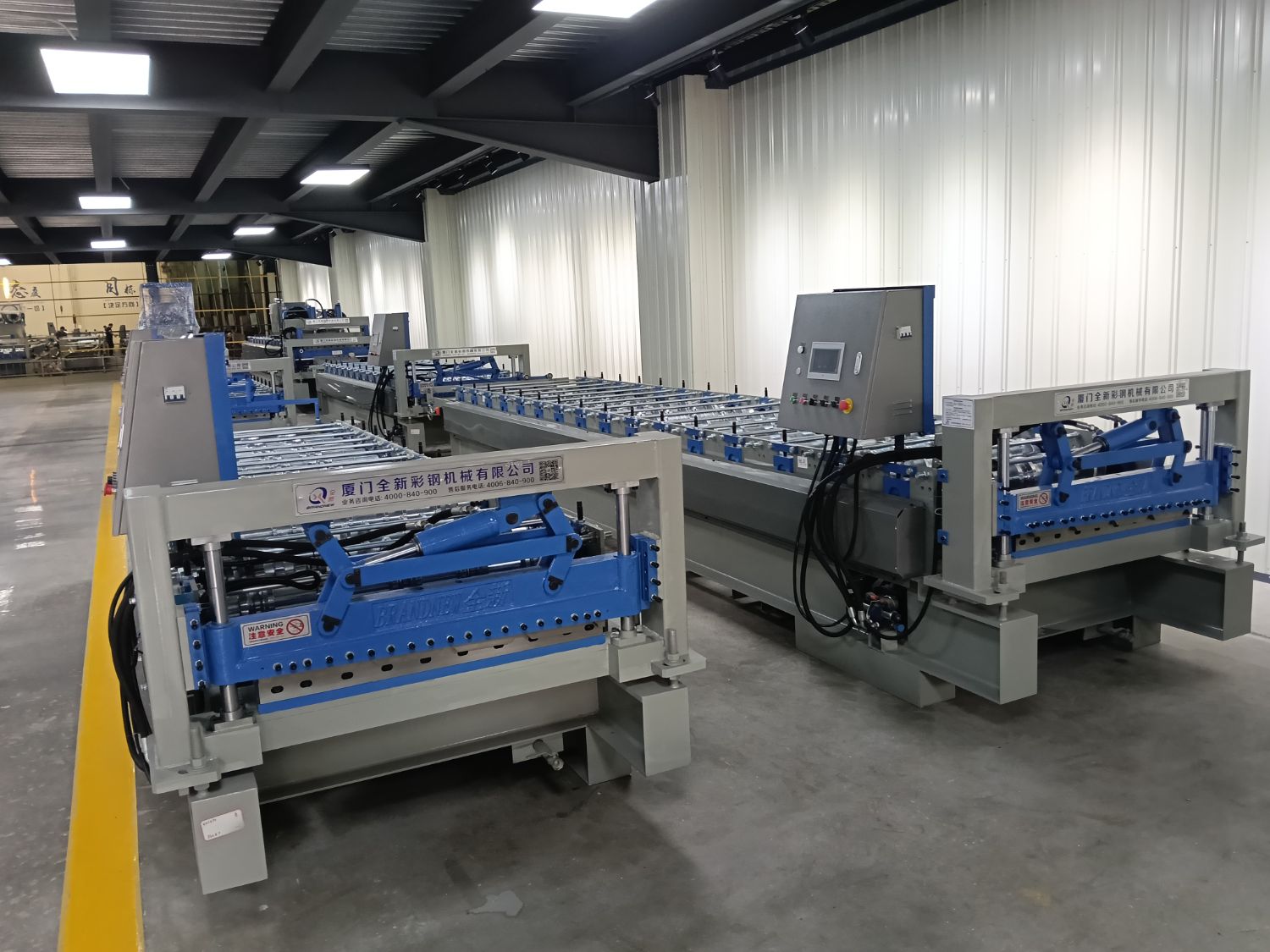
In the competitive landscape of modern manufacturing, leading factories are pushing boundaries with cutting-edge technologies that redefine efficiency and productivity. For instance, some industrial giants have integrated advanced robotics and AI-driven automation systems, enabling seamless production lines with minimal human intervention. These facilities leverage real-time data analytics to optimize workflows, reducing downtime and enhancing output quality, while also fostering safer work environments through smart sensors and predictive maintenance.
Beyond automation, these trailblazing factories are embracing innovative materials and sustainable practices, such as additive manufacturing or 3D printing, which allows for rapid prototyping and customization. Companies like those in the automotive and aerospace sectors are utilizing this to produce lightweight, durable components that improve performance and reduce environmental impact. Additionally, IoT connectivity ensures machines communicate effectively, facilitating just-in-time manufacturing and reducing waste across global supply chains.
Looking ahead, the convergence of digital twins and augmented reality is further transforming operations, enabling virtual simulations for process improvements and remote troubleshooting. These advancements not only boost competitiveness but also drive industry-wide shifts toward smarter, more adaptable production models, setting new standards for others to follow in the evolving industrial era.
Industry Insights: Trends Driving Growth and Efficiency
In today's dynamic business landscape, staying ahead means leveraging emerging trends that boost both growth and operational efficiency. From AI-powered automation streamlining supply chains to data analytics unlocking new revenue streams, companies are tapping into innovative technologies to enhance productivity and scale effectively. For instance, cloud computing has enabled flexible remote work models that reduce overhead while expanding talent pools, demonstrating how strategic adoption can lead to tangible gains in performance and market reach.
Sustainability efforts are another key driver, as businesses integrate eco-friendly practices that not only cut costs but also attract eco-conscious consumers. By implementing energy-efficient systems or circular economy models, organizations are seeing improved efficiency and a stronger brand reputation, proving that green initiatives can fuel growth beyond just compliance. These trends highlight a shift toward smarter resource management, where long-term planning and adaptability create a competitive edge in fast-paced markets.
Collaboration tools and remote technologies are reshaping how teams operate, fostering agility and faster decision-making. As industries embrace hybrid work environments, the focus has shifted to optimizing workflows and reducing redundancies, leading to smoother project execution and higher output. This human-centered approach, combined with tech advancements, underscores a holistic strategy where growth and efficiency go hand-in-hand, ultimately driving sustainable success.
Customization and Precision in Metal Roofing Equipment
Metal roofing equipment has come a long way from one-size-fits-all solutions, with customization now playing a crucial role in meeting varied architectural and functional demands. Manufacturers are increasingly offering tailored options, such as adjustable seam profiles and panel widths, to accommodate unique building designs or specific climate conditions like high-wind areas or heavy snowfall. This flexibility allows contractors to optimize performance and aesthetics, ensuring each roof not only protects but enhances the structure it covers.
Precision is equally vital in metal roofing equipment, as even minor deviations can compromise durability and installation efficiency. Advanced technologies, including laser-guided cutting systems and digital measurement tools, enable exact shaping and fitting of metal panels. This attention to detail reduces material waste and on-site errors, leading to faster project completions and long-term reliability for homeowners and commercial clients alike.
The synergy between customization and precision drives innovation in the industry, fostering equipment that adapts to diverse projects while maintaining stringent quality standards. Whether it's a sleek urban office or a rugged rural farmhouse, these advancements empower professionals to deliver superior results that stand out in both form and function.
Sustainability and Eco-Friendly Manufacturing Practices
Sustainability in manufacturing is no longer a niche concept but a core strategy for businesses aiming to reduce their environmental footprint. By integrating eco-friendly practices, companies can minimize waste, conserve natural resources, and lower greenhouse gas emissions. This shift often involves adopting renewable energy sources like solar or wind power in production facilities, optimizing supply chains to cut down on transportation emissions, and implementing circular economy principles where materials are reused or recycled. Beyond environmental benefits, such practices can enhance brand reputation and meet increasing consumer demand for greener products, turning sustainability into a competitive advantage.
Innovative approaches are reshaping how industries approach eco-friendly manufacturing. For instance, some companies are leveraging advanced technologies such as 3D printing to produce parts on-demand, drastically reducing material waste compared to traditional subtractive methods. Others are investing in biodegradable materials or designing products for easier disassembly and recycling at the end of their life cycle. These efforts not only help protect ecosystems but also drive operational efficiencies by cutting costs associated with raw materials and waste disposal. In sectors like automotive or electronics, this proactive stance can lead to breakthroughs in energy-efficient designs and cleaner production processes, setting new industry standards.
Embracing sustainability requires a holistic view, from sourcing to disposal. Many manufacturers are now prioritizing ethical sourcing of raw materials, ensuring they come from suppliers committed to environmental and social responsibility. Additionally, internal initiatives like employee training on sustainability goals and regular audits to monitor progress foster a culture of continuous improvement. This comprehensive approach not only mitigates risks related to regulatory compliance and resource scarcity but also builds resilience against market fluctuations. Ultimately, eco-friendly manufacturing practices pave the way for a more sustainable future, where economic growth aligns with planetary health, inspiring innovation and collaboration across global supply chains.
Global Impact and Competitive Positioning of Chinese Manufacturers
In recent years, Chinese manufacturers have fundamentally reshaped global markets by leveraging vast production capacities and technological advancements. From electronics to automotive components, their influence extends across multiple continents, driving efficiency standards and price competitiveness that challenge established players worldwide. This dynamic shift is evident in sectors like renewable energy, where Chinese firms dominate solar panel manufacturing, contributing significantly to the global transition toward sustainable solutions.
Competitively, these manufacturers distinguish themselves through rapid innovation cycles and deep integration into global supply chains. Their ability to scale production quickly often outpaces rivals in Europe and North America, while investments in automation and AI enhance precision and reduce reliance on manual labor. This agility allows them to adapt swiftly to market trends, from the rise of electric vehicles to the demand for smart home devices, securing key roles in both emerging and mature industries.
However, their positioning is increasingly shaped by strategic pivots toward quality over quantity, moving beyond the stereotype of low-cost alternatives. By focusing on brand building and advanced R&D, Chinese companies are now competing on value and innovation, earning recognition for reliability and cutting-edge features. This evolution not only solidifies their global impact but also sets new benchmarks for manufacturing excellence, influencing competitors to rethink their approaches in an interconnected economy.
FAQ
China's top factories, such as those in Guangdong and Shandong provinces, excel in high-speed production and customization, often integrating AI-driven quality control systems. Unlike global competitors who may focus on premium branding, Chinese factories prioritize cost-efficiency with robust after-sales services, making them key players in emerging markets.
Innovations include automated seam lock systems that reduce human error and enhance waterproofing, alongside solar-integrated roofing panels that boost energy efficiency. Advanced coatings resist corrosion, extending machine lifespan by up to 30% compared to older models.
Main challenges include navigating diverse regulatory standards, such as EU CE certifications, and overcoming perceptions of lower quality through enhanced branding. Supply chain disruptions and intellectual property protection also pose hurdles in competitive markets like North America.
Factories are adopting recycled materials for machine components and developing eco-friendly production processes, like water-based coatings. They also collaborate with architects to create green building solutions, aligning with global sustainability goals.
Digital technologies enable real-time monitoring via IoT sensors to predict maintenance needs and optimize production cycles. Cloud-based platforms facilitate remote diagnostics and training, improving operational efficiency and customer support responsiveness.
A factory in Zhejiang pioneered a modular roofing system that cuts installation time by 50%, widely adopted in Southeast Asia for disaster-resilient housing. This innovation boosted exports by 40% in two years, setting new industry benchmarks.
Conclusion
China's metal roofing machinery sector is undergoing a transformative phase, marked by significant innovations that enhance precision and efficiency. Key innovations include advanced automation systems, such as robotic arms for material handling and AI-driven quality control mechanisms, which reduce human error and increase throughput. These technological strides are reshaping production lines, enabling factories to produce complex roofing profiles with greater accuracy. Additionally, innovations in cutting and forming technologies, like laser cutting and roll forming improvements, allow for more intricate designs and faster setup times, catering to diverse architectural demands. This evolution positions Chinese manufacturers at the forefront of industry advancements.
Leading factories in China, such as those in Guangdong and Zhejiang provinces, are leveraging these innovations to drive growth and efficiency. Industry insights reveal trends toward higher customization, with factories offering tailored solutions for specific project requirements, from residential to industrial scales. Sustainability practices are increasingly integrated, including energy-efficient machinery and recycled material usage, reflecting a commitment to eco-friendly manufacturing. This approach enhances global competitiveness, as Chinese manufacturers expand their reach through export and partnerships, positioning them as key players in the international market by combining cost-effectiveness with advanced technology.
Contact Us
Contact Person: Sophie
Email: [email protected]
Tel/WhatsApp: 8615959271231
Website: https://www.beenew-rollformer.com/